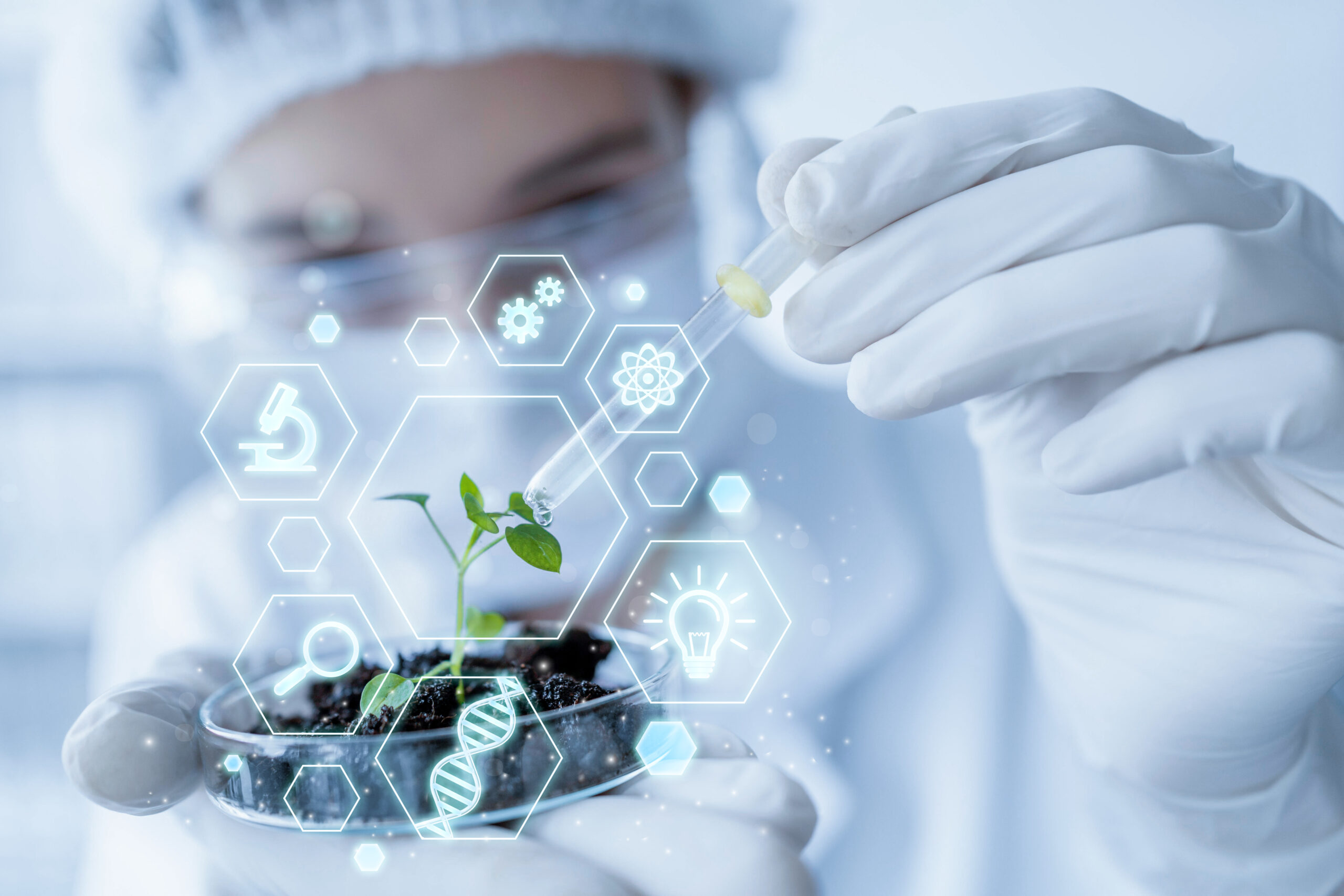
Bio Technology
Engineering Life Sciences for Africa's Future
Biotechnology sits at the intersection of science, innovation, and survival. For Africa — a continent grappling with food insecurity affecting 280 million people, emerging infectious diseases, and environmental degradation accelerated by climate change — biotech is not a luxury but a necessity. Eruba Group's Bio Technology vertical invests in ventures that harness the power of life sciences to solve the continent's most pressing challenges.
Historical Context: Biotechnology in Africa
Africa's relationship with biotechnology has been complex. In the agricultural sector, debates over genetically modified organisms (GMOs) have raged for decades, with countries like South Africa embracing GM crops since 1997 while neighbors maintained strict bans. Despite the controversy, South Africa's adoption of GM maize and cotton demonstrated clear benefits — yields increased by 25-30%, and pesticide use dropped significantly.
The pharmaceutical biotechnology landscape was shaped largely by the HIV/AIDS epidemic. The fight for affordable antiretrovirals in the 2000s catalyzed local pharmaceutical manufacturing capabilities in countries like South Africa, Kenya, and Ethiopia. The Biologics Manufacturing Initiative, launched by the African Union in 2010, aimed to reduce the continent's dependence on imported pharmaceuticals — a dependence that currently stands at 70%.
The COVID-19 pandemic proved a turning point. Africa's inability to manufacture vaccines domestically — out of 2 billion vaccine doses produced globally in 2021, fewer than 1% were manufactured in Africa — prompted a continental rethink. The establishment of mRNA vaccine manufacturing hubs in South Africa and Senegal, backed by the WHO, signaled a new era of biotech sovereignty. Eruba Group entered the biotech investment space in 2021, recognizing that the intersection of agricultural biotech, pharmaceutical manufacturing, and environmental science represents a multi-hundred-billion-dollar opportunity.
The Present: An Ecosystem Taking Shape
Africa's biotech sector is still relatively nascent compared to AI or fintech, but it is growing rapidly. The market is estimated at $11 billion and projected to reach $40 billion by 2030, driven by agricultural biotech, biomanufacturing, and environmental remediation technologies.
Our portfolio company BioHarvest Africa exemplifies the potential. BioHarvest has developed drought-resistant crop varieties using CRISPR gene-editing technology, specifically adapted for East African growing conditions. Their modified cassava and sorghum varieties show 40% better performance under water stress — a critical advantage as climate change makes rainfall increasingly unpredictable. BioHarvest currently works with 50,000 smallholder farmers across Kenya, Tanzania, and Ethiopia.
The Need: Why Biotech Is Essential for Africa
The case for biotechnology investment in Africa is driven by converging crises:
- Food Security: Africa imports $35 billion in food annually, despite having 60% of the world's uncultivated arable land. Biotech crops — engineered for drought resistance, pest resistance, and nutritional density — can transform the continent from food importer to food exporter.
- Disease Burden: Malaria alone costs Africa $12 billion annually in lost productivity. TB, HIV, and emerging threats like Mpox require locally manufactured diagnostics, therapeutics, and vaccines.
- Climate Adaptation: Africa contributes only 4% of global greenhouse emissions but suffers disproportionate impacts. Bioremediation technologies, carbon capture through engineered organisms, and climate-resilient agriculture are critical adaptation tools.
- Pharmaceutical Sovereignty: The 70% import dependence for pharmaceuticals creates supply chain fragility — as COVID-19 demonstrated catastrophically. Local biomanufacturing is a national security imperative for every African country.
- Biodiversity Economy: Africa hosts 25% of global biodiversity. Bioprospecting, natural product chemistry, and sustainable bioextraction represent a largely untapped economic opportunity estimated at $200 billion.
The Problems We're Solving
Biotech investment in Africa faces unique challenges that require specialized approaches:
- Regulatory Complexity: Biosafety regulations vary wildly across Africa. Our regulatory affairs team helps portfolio companies navigate approval processes in multiple jurisdictions simultaneously.
- Capital Intensity: Biotech ventures require longer runways and more patient capital than software startups. Eruba Group structures investments with longer horizons and milestone-based funding to accommodate this.
- Talent Pipeline: While Africa produces excellent bioscientists, many emigrate for better-funded research environments. We work with universities and research institutions to create attractive opportunities that retain talent domestically.
- Public Perception: Misconceptions about biotechnology — particularly around GMOs — can hinder adoption. Our portfolio companies prioritize community engagement, transparency, and farmer education.
- Infrastructure: BSL-2 and BSL-3 laboratory facilities are scarce. We invest in shared biotech infrastructure — wet labs, cold chain logistics, and analytical equipment — that multiple portfolio companies can access.
Our Impact by the Numbers
$15M+
Capital Deployed
50K+
Farmers Supported
40%
Drought Resistance Gain
3
Countries
The Future: Africa as a Biotech Powerhouse
The convergence of gene editing, synthetic biology, and computational biology is creating opportunities that were unimaginable a decade ago. Africa — with its extraordinary biodiversity, agricultural potential, and unmet healthcare needs — stands to benefit disproportionately from the biotech revolution.
Eruba Group's forward-looking biotech thesis includes:
- Synthetic Biology: Engineering microorganisms to produce high-value compounds — from biofuels to pharmaceutical intermediates — using locally available feedstocks.
- Precision Fermentation: Alternative protein production that could transform Africa's food systems while reducing environmental impact.
- Biomanufacturing Hubs: Investing in shared manufacturing facilities that enable African pharmaceutical companies to produce biologics at scale.
- Climate Biotech: Carbon sequestration through engineered soil microbiomes, biological water treatment for mining-affected communities, and bio-based construction materials.
How Far Are We from Our Goal?
Our 2021 goal was to back 15 biotech companies reaching 500,000 farmers and patients by 2031. With 5 companies and 50,000 farmers served, we are at 33% of our company target and 10% of our impact target. Given the capital-intensive and regulatory-heavy nature of biotech, this pace is consistent with our projections. Our 2026 pipeline includes 4 new investments in pharmaceutical manufacturing and agricultural biotech that we expect will dramatically accelerate our impact metrics.
Partner With Us
Whether you are a bioscientist with a breakthrough technology, an agricultural enterprise seeking innovation partnerships, or an investor interested in impact-driven biotech — Eruba Group offers the capital, expertise, and network to bring your vision to life. Africa's biotech future is being written today, and we invite you to help write it.